Happy Lamb Fleece
Sleep cooler and comfier on a breathable fleece topper stitched with premium Eco Wool over organic cotton—soft, natural warmth that feels like sheepskin without chemicals, easy care after break-in.
In a world crowded with synthetic substitutes and hype-filled claims, organic wool bedding stands as a serene counterpoint: natural, breathable, and inherently temperature-regulating. This guide dives into the essentials shoppers should know when evaluating comforters, pillows, and related wool-filled textiles. Drawing on industry benchmarks from established brands and the broader history of natural fibers, we’ll unpack certifications, fill weights, shell fabrics, care instructions, and practical pairing strategies. The aim is to empower readers to choose bedding that aligns with climate, sleep style, and values—without sacrificing comfort or performance.
Wool’s allure in the bedroom stems from its remarkable ability to regulate temperature and manage moisture. Pure wool fibers naturally wick away humidity, divert heat when it’s warm, and retain warmth when it’s cool. When wool is sourced organically, benchmarks extend beyond comfort to include environmental stewardship and chemical safety. Organic wool fibers are typically grown on farms that avoid synthetic pesticides and chemical dips, and the processing chain emphasizes non-toxic finishes and transparent origins.
The appeal of organic wool bedding goes beyond feel. Wool’s natural resilience and moisture-handling properties contribute to a sleep environment that remains drier, cooler, and more comfortable over a wider range of conditions. For allergy-sensitive sleepers, wool’s low propensity to harbor dust mites and mold—when properly cared for—offers tangible benefits.
As shoppers navigate the marketplace, look for certifications and a transparent supply chain that confirms organic integrity and ethical sourcing.
The backbone of trustworthy organic wool bedding lies in certifications that attest to material purity, processing standards, and social responsibility. The two most relevant and widely recognized are the Global Organic Textile Standard (GOTS) and OKO-TEX certifications. GOTS covers fiber content, processing aids, and social criteria, ensuring products labeled as organic meet stringent ecological and ethical criteria. OKO-TEX, meanwhile, focuses on safety and the absence of harmful substances, often used in textiles that incorporate blends or finished goods.
In addition to certifications, origin transparency matters. Being able to trace a product from sheep to shell—through the supply chain—helps consumers assess environmental impact, animal welfare, and quality control. When brands share sourcing regions, farm practices, and processing locales, it reinforces trust and aligns with the growing consumer demand for traceable textiles.
Practical takeaway: prioritize products that clearly state GOTS and/or OKO-TEX certifications and offer explicit origin details for both wool fill and shell fabric.
When evaluating wool comforters and pillows, two primary aspects determine warmth, loft, and care: fill weight and shell fabric. Fill weight governs warmth and density. Lightweight wool fills suit sleepers in milder climates or those who sleep hot; medium-weight and heavier fills are better for cooler rooms or personal warmth preferences. The choice often hinges on room temperature, body metabolism, and bedding layering.
The shell fabric—notably when the outer cover is made from organic cotton sateen or similar natural fibers—interacts with the wool fill to shape softness, breathability, and durability. A high-quality organic cotton sateen shell will feel smooth against the skin, complementing wool’s moisture-wicking properties, while also contributing to overall longevity and care requirements.
Practical pairing: start with a comfortable fill weight, then select a shell that enhances breathability and ease of care. If your climate has pronounced seasonal shifts, consider modular systems such as a lighter comforter with a removable duvet cover or a multi-piece setup that adapts to temperature changes.
Prominent brands frequently discussed in this space—such as Healthy Choice, Sleep and Beyond, Suite Sleep, and Savvy Rest—offer a spectrum of wool-filled comforters, pillows, and related textiles. While each line varies in fiber blends, certifications, and care instructions, a few constants recur: a commitment to natural wool, organic cotton shells, and careful attention to environmental and health considerations.
For shoppers, the takeaway is not to chase a single “best” product but to evaluate how a given wool fill weight, shell fabric, and certification stack up against personal sleep needs and values.
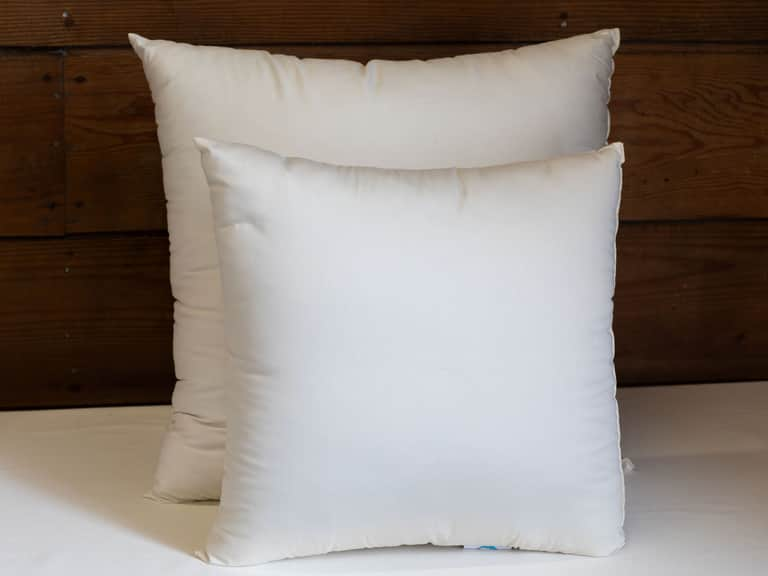
In the current market, several products exemplify the harmony between organic wool and natural shell fabrics. For instance, a wool pillow with organic cotton sateen shell and a responsibly sourced wool fill demonstrates how design, materials, and care converge to deliver comfort and longevity. Similarly, a wool comforter with a GOTS-certified shell and ethically sourced wool illustrates the practical application of organic principles in year-round warmth.
When considering a bedding upgrade, readers should seek out a product family that offers a cohesive story: transparent sourcing, robust certification, and care guidance that aligns with real-world laundering routines.
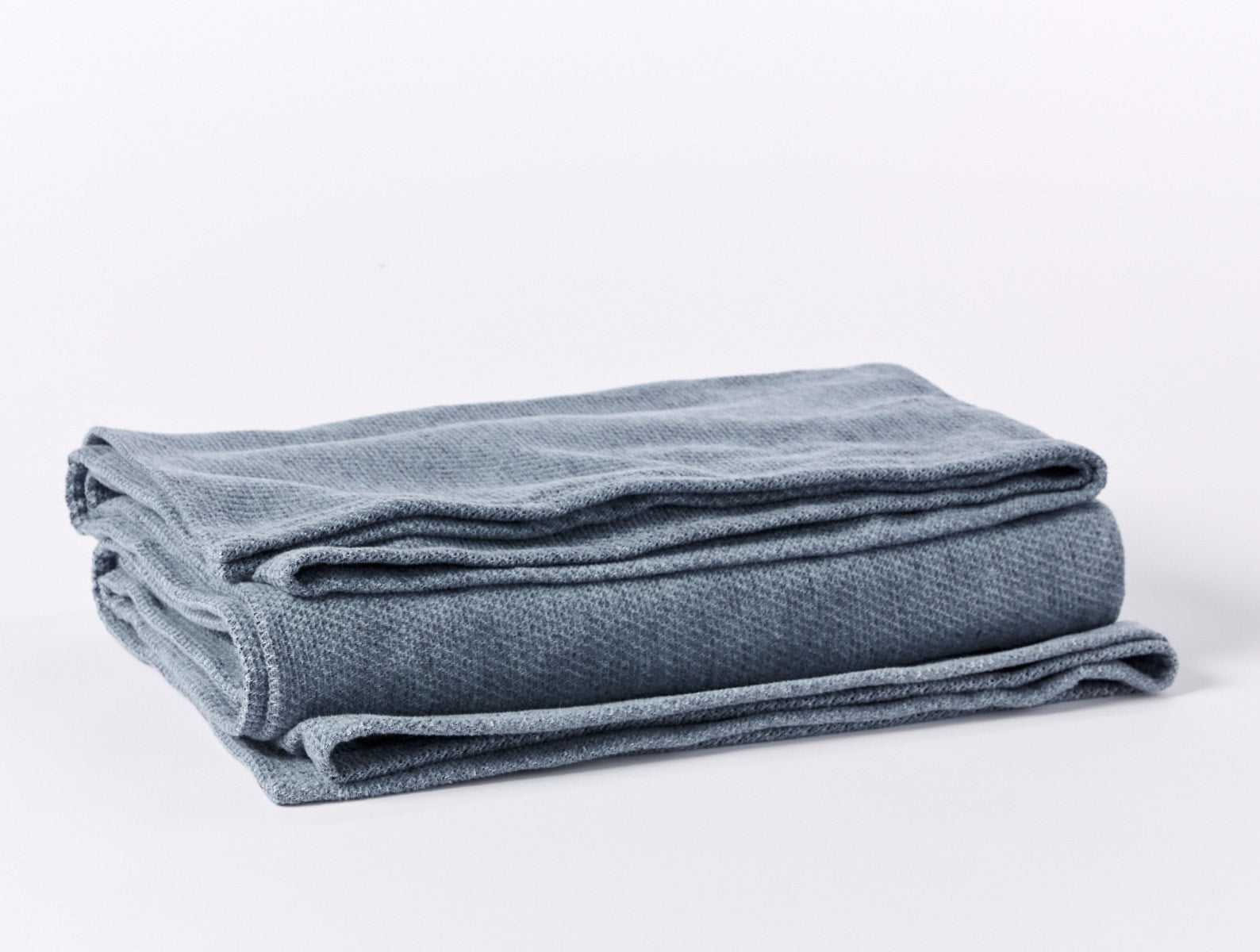
The Happy Lamb Fleece topper, offered by Holy Lamb Organics, provides an instructive case study. Though positioned as a topper rather than a full comforter, its construction—Premium Eco Wool woven into a 100% organic cotton knit backing—highlights how a wool layer can influence sleep surface warmth and breathability without the stiffness of traditional sheepskin-like padding. The organic origin of materials and the on-site care instructions reflect a posture toward natural, non-toxic sleep environments. A closer look at the topper’s design reveals the broader narrative of wool in bedding: comfort through natural resilience, warmth without bulk, and a care routine that acknowledges the realities of household washing and maintenance.
The product’s provenance—cotton from India; wool sourced from the western United States and New Zealand; mill finished in a facility that adheres to organic standards—exemplifies how a representative item can embody the principles discussed in this guide.
When browsing product pages, start with a quick triage:
By parsing these elements, shoppers can build a product set that respects both material science and daily practicality.
Organic wool bedding represents a thoughtful intersection of comfort, health, and environmental stewardship. By paying attention to certifications, origin transparency, fill weight, and shell fabric, readers can curate a sleep environment that stays true to natural principles while delivering contemporary performance. This guide has aimed to equip you with a framework—one that translates the principles of wool as a natural, adaptive fiber into practical shopping choices.
If you’re ready to translate these ideas into your own bedroom, start with one piece that resonates—perhaps a wool-filled pillow pairing or a lightweight wool comforter for shoulder-season comfort. Build around it, layer thoughtfully, and let wool’s natural properties do the heavy lifting for better sleep.
For continued guidance, revisit this guide as you explore brand lines, certifications, and care recommendations. The journey to a warmer, purer, and more restorative sleep begins with informed choices.
Readers may explore select wool bedding items that align with the guide’s emphasis on organic integrity and practical care. For example, the Happy Lamb Fleece topper (Holy Lamb Organics) demonstrates how a wool-based surface can regulate temperature and provide a comfortable sleep surface, while maintaining organic credentials. The Wool Throw Pillows line offers a hands-on demonstration of how wool’s loft and resilience translate into daily comfort, both for bedrooms and living spaces.
These items illustrate the broader principle: choose products whose materials, certifications, and care profiles reflect a cohesive philosophy of natural comfort and responsible sourcing.
As consumers, we can drive better practices by supporting textiles that prioritize organic materials, transparent supply chains, and environmental stewardship. Organic wool bedding is not merely a product category; it is a commitment to healthier sleep environments, lower toxin exposure, and a textile industry that respects animal welfare and ecological integrity. Your choices matter, and informed decisions encourage brands to elevate standards across the board.